
Measuring your watch lugs correctly is crucial when replacing or upgrading your watch band. Without the right measurements, you risk getting an ill-fitting strap that looks off or feels uncomfortable. In this guide, you’ll learn how to measure watch lugs step-by-step, understand why lug width matters, and get tips to ensure you pick the perfect strap size for your timepiece.
Understanding Watch Lugs and Their Importance
Watch lugs are the small projections on each end of the watch case that hold the strap or bracelet in place. Knowing your watch lug width is essential because it determines the exact size of the replacement watch band needed. An incorrect size can cause discomfort, strap damage, or an unbalanced appearance on your wrist. Getting the proper strap size ensures your watch looks great and stays securely fastened.
Tools You’ll Need to Measure Watch Lugs Accurately
To measure watch lugs precisely, you’ll need tools like a caliper or a fine measuring tape designed for small measurements. Calipers provide the most exact results, especially digital types, while measuring tapes are convenient for quick checks. Good lighting and a steady hand are important to avoid errors. These tools help you get the reliable measurements needed for strap replacement dreams.
Step-by-Step Guide to Measuring Your Watch Lug Width
Start by placing your watch on a flat surface with the dial facing up and the lugs clearly visible. Use your caliper or tape measure to measure the distance between the inner edges of the lugs—the space where the strap fits. This distance is your lug width, typically measured in millimeters. Be sure to measure inside edges, not the outer edges, to avoid mistakes. Double-check your measurement for accuracy. If you have an existing strap, flip it over and check the underside for a width displayed—often a quick way to find your watch lug width.
Measuring Your Wrist Circumference for Watch Band Size
Your wrist size influences which watch band length will fit comfortably. Use a soft measuring tape or a piece of string wrapped snugly around your wrist just above the wrist bone. Record the length, then compare it to strap length options before purchasing. For example, a 7-inch wrist usually fits well with a band length marked as medium or standard, but always verify for precise comfort and fit.
How Watch Size Influences Strap and Lug Width Choice
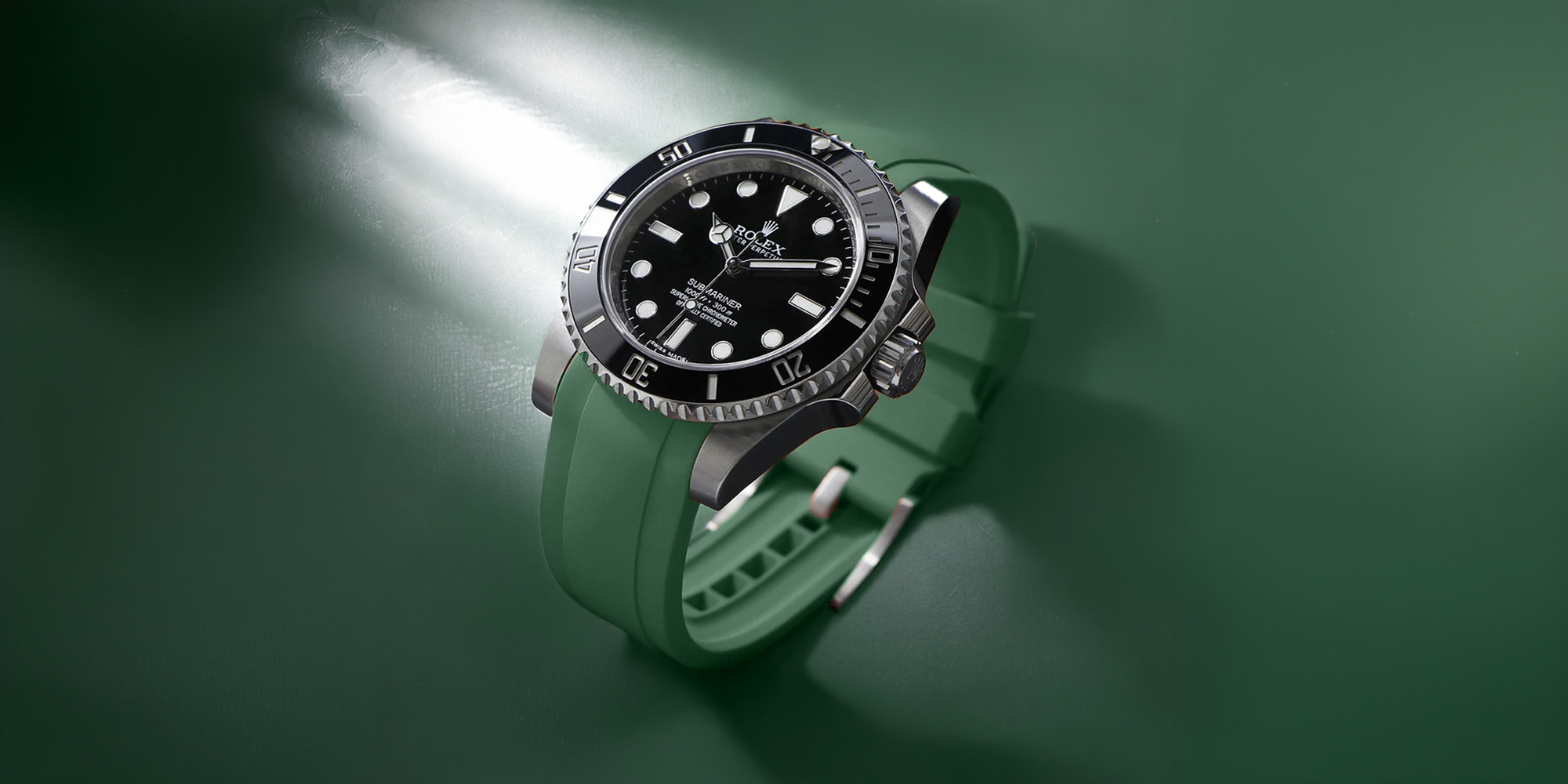
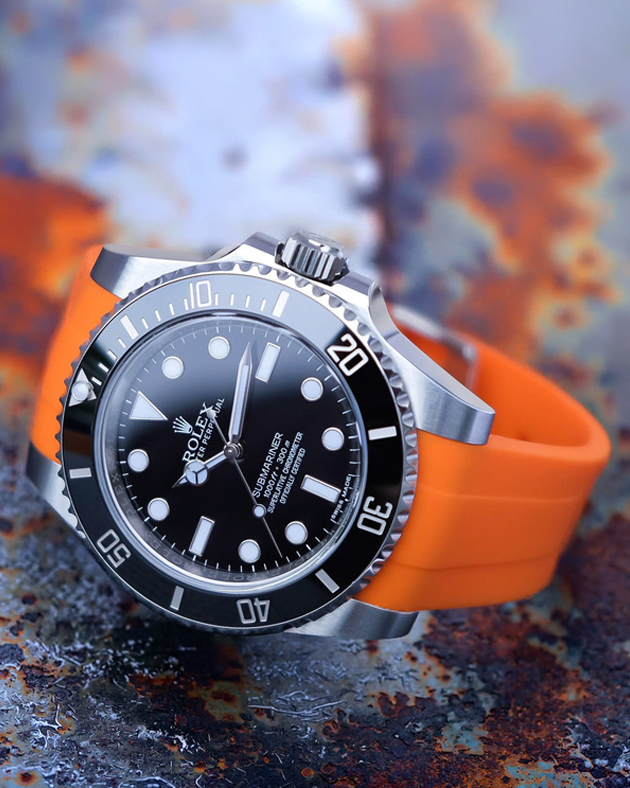
Watch case size typically affects lug width. For instance, many Rolex models like the Datejust 36 and Submariner 40 come with a 20mm lug width, which is considered a balanced fit for those watch sizes. Ensuring the strap width complements the case size maintains visual harmony and comfort on your wrist.
Tips for Choosing the Proper Replacement Strap or Bracelet
Match your measured lug width exactly to guarantee a secure fit with your replacement strap or bracelet. Consider the strap style—whether integrated end or flat end—and the material, such as our durable, comfortable FK rubber straps. Shopping by size or by model can simplify your choice. Always check the width displayed on the underside of your existing strap to cross-verify your measurements.
Common Mistakes to Avoid When Measuring Watch Lugs
Beware of eyeballing the measurements or using inaccurate tools, as these lead to wrong sizing. Measuring from the outer edges instead of inside lug edges is a frequent error. Always verify your measurement multiple times before committing to a purchase. Also, consider wear and stretching in an existing band if you’re using it to estimate lug width, as that can distort results.
Frequently Asked Questions About Watch Lug and Strap Sizes
A common question is, “What size is a 20mm watch band?” This is straightforward: 20mm refers to the lug width—the distance between the lugs—and determines the strap width needed. Remember, lug width is different from strap length, which depends on wrist circumference and band design.